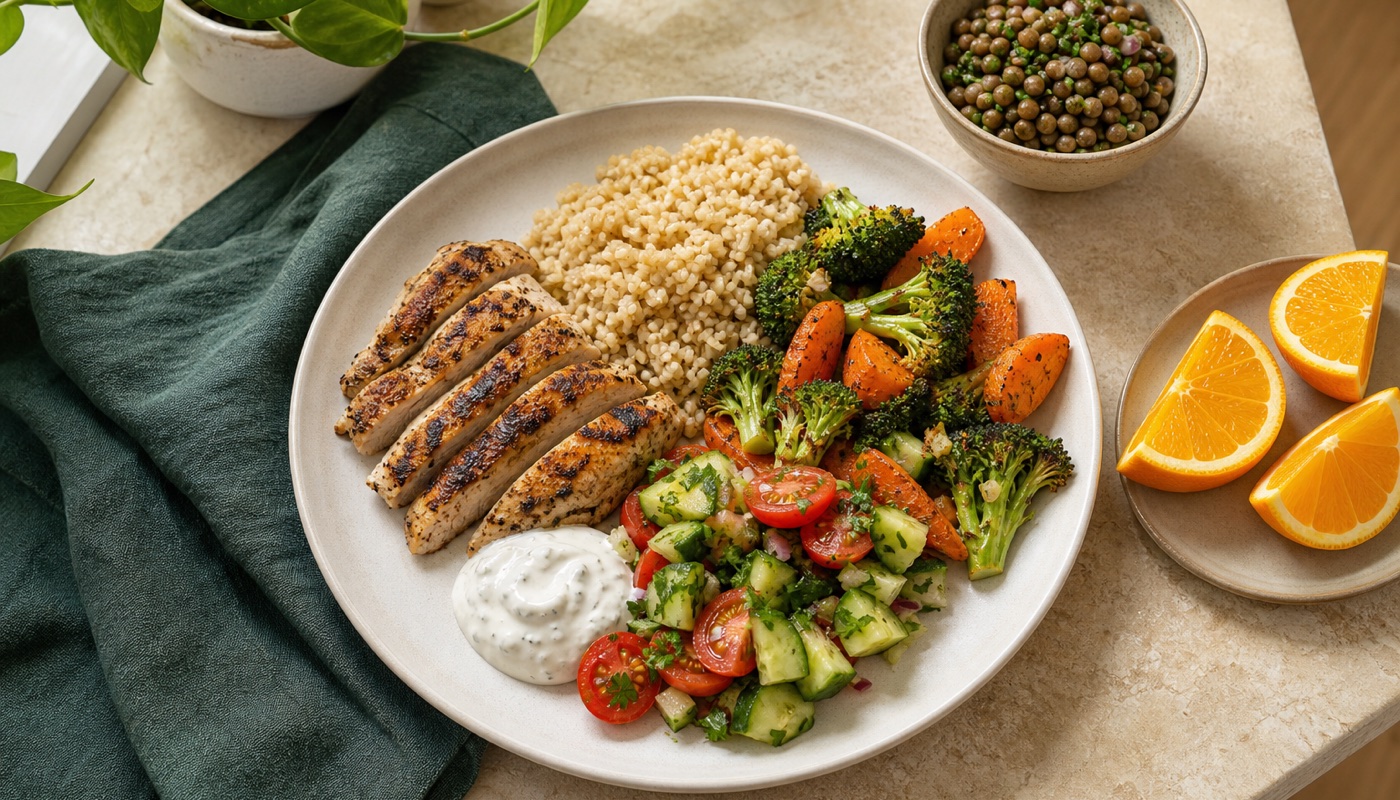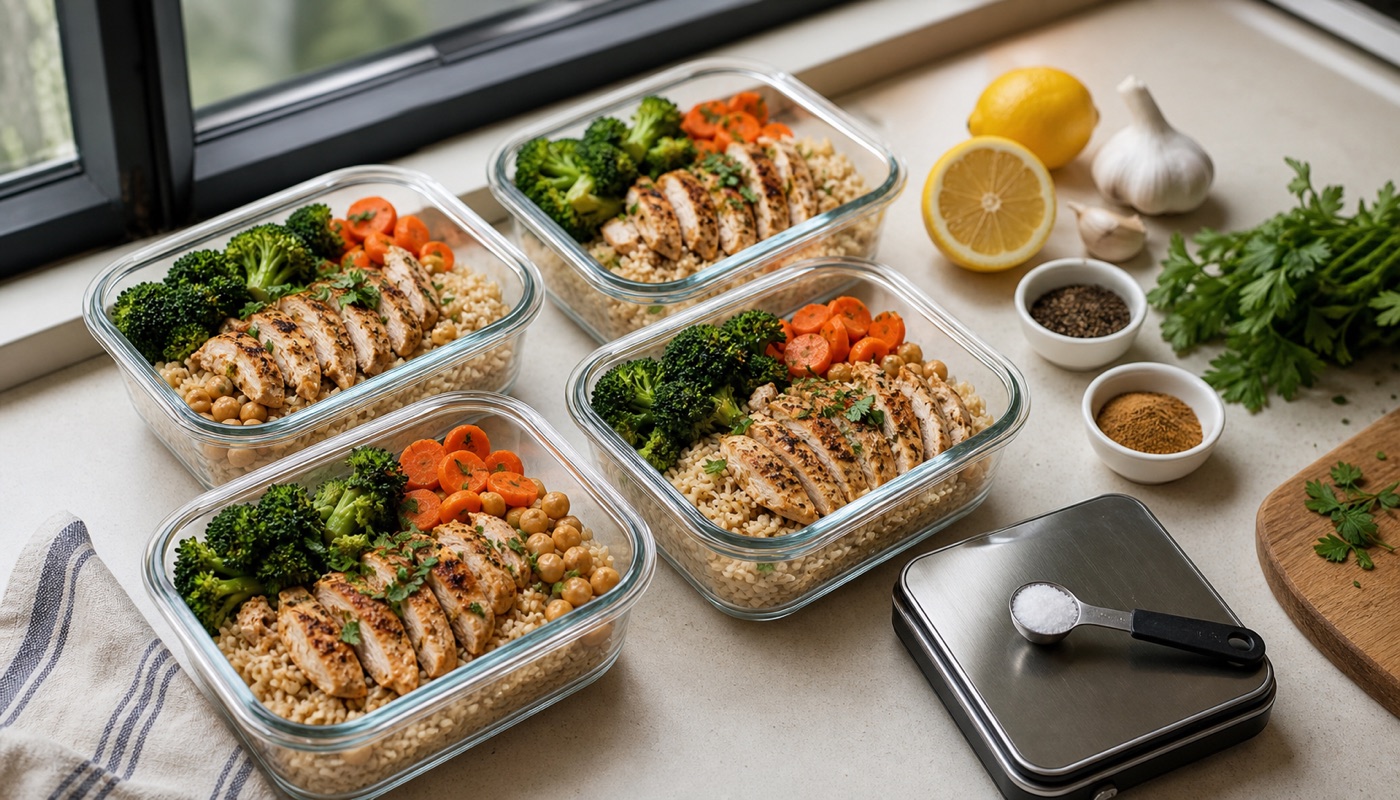

Compare chicken, turkey, lean beef, and fish by protein, nutritional strengths, health risks, halal verification, and practical meal-prep use.
What this guide covers
- 01A typical cooked 3-ounce portion provides roughly 26 g protein from chicken breast, 25–26 g from turkey breast, 24 g from lean beef, and 19–22 g from salmon.
- 02The cut, fat percentage, skin, processing, sodium, cooking method, and sauce can matter more than the animal name.
- 03Chicken and turkey breast are efficient lean protein choices; salmon adds omega-3 fats; lean beef contributes iron, zinc, and vitamin B12.
- 04Processed halal meat remains processed meat nutritionally, and halal certification does not cancel sodium, saturated fat, or cancer-risk evidence.
- 05Fish species differ in mercury; FDA and EPA place salmon and several common options in their lower-mercury Best Choices category.
- 06Halal status, nutrition quality, and food safety are separate checks that should all be completed.
The quick answer: there is no single protein champion
If we staged a protein Olympics, chicken breast would probably win the grams-per-ounce sprint. Salmon would take the omega-3 event. Lean beef would arrive carrying iron, zinc, and vitamin B12. Turkey would quietly post numbers almost identical to chicken—then confuse everyone when a fatty ground blend or salty deli slice showed up wearing the same name.
That is why ‘Which meat is healthiest?’ is the wrong first question. A better question is: healthiest for which meal, which cut, which cooking method, and which person? The answer also changes when a lean fillet becomes breaded, a fresh breast becomes deli meat, or a halal protein is covered in an unverified sauce.
This guide compares typical cooked portions for general meal planning. It is not a prescription for a medical condition, pregnancy, kidney disease, iron deficiency, allergies, or a therapeutic diet. Those situations deserve individual advice from a registered dietitian or another qualified clinician.
The NYHMP Editorial Team prepared this comparison from cooked USDA reference foods and current FDA, EPA, WHO/IARC, USDA food-safety, federal labeling, and New York halal-registration sources. We rounded the protein figures for practical meal planning, kept nutrition and halal verification as separate questions, and linked every material risk statement to the primary source readers can inspect below. The article has not been medically reviewed and does not claim that one protein is healthiest for every person.
The numbers: protein in a 3-ounce cooked portion
To keep the comparison fair, the table uses about 3 ounces (85 grams) of cooked food. USDA reference foods put roasted skinless chicken breast around 26 grams of protein, roasted turkey breast around 25–26 grams, a lean cooked beef cut around 24 grams, and cooked salmon around 19–22 grams depending on species and whether it is wild or farmed.[1][2][3][4] Those are useful landmarks, not promises about the piece on your plate.
Water loss concentrates nutrients during cooking, so 100 grams of cooked chicken is not the same starting quantity as 100 grams raw. A fattier cut, skin, marinade, breading, drained weight, and brand formula can move the numbers. When accuracy matters, use the Nutrition Facts label for the exact product and keep raw weights with raw database entries—or cooked weights with cooked entries.
| Protein choice | Approx. protein | Nutritional strength | What changes the picture |
|---|---|---|---|
| Chicken breast, skinless | About 26 g | High protein for a relatively lean portion | Skin, thighs, breading, frying, brining, and sauces |
| Turkey breast, skinless | About 25–26 g | Very similar protein-to-portion profile to chicken breast | Ground blend fat percentage, skin, deli processing, and sodium |
| Lean beef | About 24 g | Protein plus iron, zinc, and vitamin B12 | Cut, visible fat, ground-beef percentage, processing, and portion size |
| Salmon | About 19–22 g | Protein with omega-3 fats; some types provide vitamin D | Species, wild versus farmed, canned additions, and portion size |
Rounded planning estimates from USDA reference foods, not values for every product. Fish is a category, not one nutrient profile.
Chicken: the efficient all-rounder
Skinless chicken breast makes protein math easy. It is lean, widely available, mild enough for almost any spice direction, and sturdy in meal-prep bowls. It also has a special talent for turning into dry office lunch if cooked ten minutes too long. Chicken thigh is more forgiving and often more flavorful, but it generally brings more fat and a little less protein per cooked ounce than breast.
From a nutrition angle, the useful comparison is not ‘chicken versus everything.’ It is grilled or roasted chicken versus fried chicken, heavily breaded cutlets, skin-on pieces, or products injected with salty solutions. The animal stays the same while the finished food changes dramatically. Read the label for sodium and serving size instead of awarding a permanent health halo to the word chicken.
Halal check: verify the exact producer, certifier, or butcher behind the poultry claim. Keep the package until the batch is cooked. Then check the stock, marinade, cheese, seasoning blend, and sauce separately. Halal chicken does not automatically make a wine-based pan sauce or uncertain bouillon halal.
Turkey: chicken’s lean cousin—sometimes
Roasted turkey breast and chicken breast are nutritional neighbors. In a plain cooked portion, their protein is close enough that taste, price, texture, and the recipe can make the decision. Turkey breast works beautifully in kofta-style patties, grain bowls, soups, and wraps when you give it herbs, onion, and enough moisture.
The trap is assuming every turkey product is lean. Ground turkey can contain different proportions of breast, dark meat, and skin; the package’s lean-to-fat percentage matters more than the bird on the label. Deli turkey is another category entirely. It may be convenient, but processing can add sodium, sugars, flavorings, phosphates, or other ingredients. ‘Halal turkey’ answers the religious sourcing claim; it does not erase the Nutrition Facts panel.
Halal check: ground poultry, sausage casings, deli flavor systems, smoke flavors, broths, and shared slicing equipment can add questions that a whole breast does not. Look for product-level coverage rather than assuming one certified item means an entire brand is certified.
Beef: nutrient-dense, satisfying, and worth choosing deliberately
Lean beef gives up very little protein to poultry and contributes nutrients that make it genuinely useful—especially iron, zinc, and vitamin B12. A modest portion of lean round, sirloin, or a high-lean-percentage ground beef can fit comfortably beside vegetables and a grain. The nutrition problem is not that beef exists; it is that ‘beef’ can mean anything from a trimmed roast to a large fatty burger with processed cheese and salty sauce.
Cut and processing matter. Visible fat and lower lean-percentage ground beef raise saturated fat. FDA guidance explains that replacing saturated fat with unsaturated fats, within calorie needs, is associated with lower LDL cholesterol; the label lets you compare saturated fat per serving.[8] Leaner cuts, a sensible portion, and cooking methods that do not char the exterior into submission make beef easier to place in a varied week.
The risk discussion needs calm precision. IARC classifies processed meat as carcinogenic to humans based on evidence for colorectal cancer, while red meat is classified as probably carcinogenic based on more limited human evidence.[7] Those categories describe the strength of evidence that an exposure can cause cancer—not that a beef sausage carries the same level of danger as smoking. Frequency, amount, processing, and the rest of the eating pattern matter. Halal certification does not change that nutrition evidence.
Halal check: confirm slaughter and certification for the beef itself, then check ground blends, casings, smoke flavor, marinades, burger toppings, and shared grills. Beef bacon, jerky, sausage, and deli slices may be halal, but they are still processed meats from a nutrition perspective.
Fish: not one food, but a whole underwater category
Saying ‘fish has 20 grams of protein’ is a little like saying ‘fruit has sugar.’ Which fish? Salmon, cod, sardines, tilapia, tuna, and shrimp have different fat, protein, vitamin, and mercury profiles. Salmon usually gives slightly less protein per ounce than chicken breast, but it brings long-chain omega-3 fats and often vitamin D—nutritional benefits poultry does not replicate in the same way.
Mercury is the risk that deserves species-level attention, not fear of all seafood. FDA and EPA classify salmon, cod, pollock, tilapia, shrimp, sardines, and canned light tuna among their ‘Best Choices’ for people who are or may become pregnant, breastfeeding people, and children; albacore tuna is a ‘Good Choice,’ while bigeye tuna is in the highest-mercury avoid category for those groups.[6] The broader lesson works for everyone: vary seafood and know the species instead of eating the same tuna every day.
Halal check: seafood rulings differ among schools of Islamic law, particularly around which aquatic animals are permitted. Follow the standard trusted by your household. Even when the fish itself is acceptable, a beer batter, cooking wine, gelatin capsule, shared fryer, imitation seafood, or prepared sauce can change the finished-food question.
Fresh versus processed may matter more than chicken versus turkey
A plain chicken breast and a turkey hot dog are not interchangeable because both came from poultry. Nor are lean beef strips and a cured beef sausage the same nutrition choice. Processing can introduce sodium, saturated fat, preservatives, sweeteners, and larger portions while making a food easier to overeat. MyPlate recommends varying protein foods, choosing lean meat and poultry, and including seafood that is higher in omega-3 fats and lower in methylmercury.[5]
This gives us a more useful hierarchy. First compare the finished foods: fresh or minimally processed, cut and fat level, cooking method, sodium, sauce, and portion. Then compare animal species. A lean, gently cooked option with vegetables may serve the plate better than whichever protein wins a single nutrient column.
The halal lens and the nutrition lens answer different questions
Halal asks whether a food and its process meet the religious standard you follow. Nutrition asks what the food contributes to an overall eating pattern. Food safety asks whether it was handled and cooked safely. These lenses overlap, but none replaces the others.
USDA says meat and poultry products from federally inspected plants labeled ‘Halal’ or ‘Zabiah Halal’ must be handled according to Islamic law and under Islamic authority.[10] That makes the claim meaningful, but shoppers still need to identify who certifies it and what the claim covers. New York’s halal registry adds transparency by identifying registered establishments and certifiers; it is not a state-issued theological ruling.[11]
For the cleanest verification, buy a clearly identified whole cut or fillet, keep the label, and build flavor with ingredients you have already checked. Multi-ingredient products—deli slices, kofta mixes, frozen breaded fish, sausages, broths, and ready-made sauces—deserve a closer look because the protein is only one part of the formula.
Four balanced halal plates that do not feel like homework
Numbers are helpful; lunch still has to taste good. Use each protein where its texture and nutrient strengths make sense, then let vegetables, grains, legumes, and sauces finish the job.
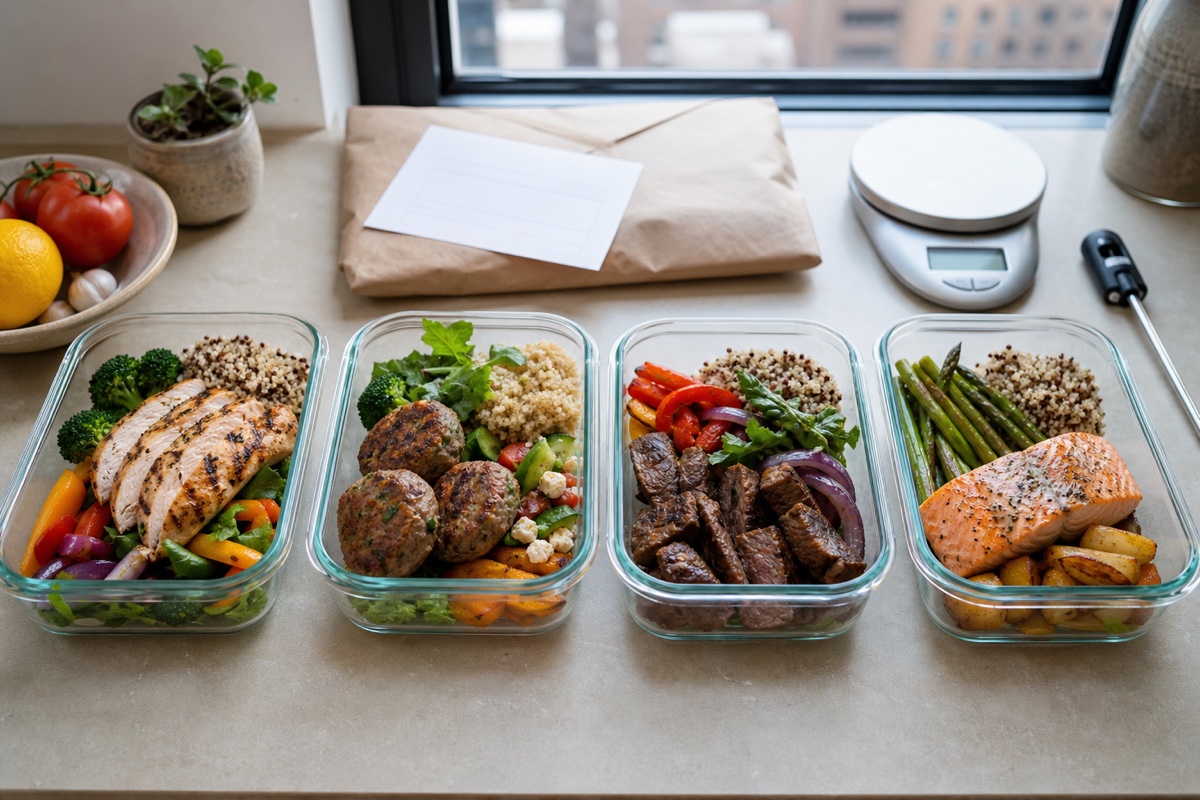
- Chicken plate: lemon-garlic chicken breast, bulgur, roasted broccoli and peppers, cucumber salad, and verified yogurt-tahini sauce.
- Turkey plate: herb turkey kofta, quinoa tabbouleh, charred zucchini, hummus, and pickled onion.
- Beef plate: a modest portion of lean beef strips, brown rice or freekeh, roasted eggplant, tomato salad, and chimichurri without wine.
- Salmon plate: baked salmon, herbed potatoes or quinoa, sautéed greens, crunchy cabbage, and lemon-dill yogurt.
Cook each protein safely without guessing by color
The healthiest-looking plate is not helpful if the protein is undercooked or cross-contaminates the salad. USDA’s safe minimum chart lists 165°F for all poultry, 160°F for ground beef, 145°F plus a three-minute rest for whole beef steaks, chops, and roasts, and 145°F for fish and shellfish.[9] Use a food thermometer in the thickest part.
Keep raw meat and poultry away from ready-to-eat vegetables. Do not reuse a raw-protein marinade as a finishing sauce unless it has been safely cooked. Refrigerate prepared portions promptly, and avoid packing steaming food into one deep container that cools slowly.
So which one should go on your plate?
Choose chicken or turkey breast when you want a lean, high-protein anchor that adapts to almost any recipe. Choose salmon or another lower-mercury fish when you want seafood’s omega-3 profile. Choose lean beef when iron, zinc, B12, flavor, and satisfaction make it useful—while keeping processed meat and very fatty cuts in perspective.
The strongest answer is rotation, not a crown. Vary protein foods, compare the finished product rather than the animal name, and let your actual label settle the numbers. Then apply the halal check separately: exact product, exact certifier or supplier, exact ingredients, and the standard trusted by your household.
A week with chicken one day, salmon another, lean beef in a smaller supporting role, and beans or lentils somewhere in the mix is more nutritionally interesting than eating the theoretical ‘winner’ five times. Your plate does not need a champion. It needs a pattern you enjoy enough to repeat.
Sources and further reading
- Chicken, broilers or fryers, breast, meat only, cooked, roasted — FDC 171477USDA FoodData CentralAccessed Aug 3, 2026
- Turkey, whole, breast, meat only, cooked, roasted — FDC 171496USDA FoodData CentralAccessed Aug 3, 2026
- USDA Nutrient Data Set for Retail Beef CutsUSDA Agricultural Research ServiceAccessed Aug 3, 2026
- Salmon, Atlantic, farmed, cooked, dry heat — FDC 175168USDA FoodData CentralAccessed Aug 3, 2026
- Protein FoodsUSDA MyPlateAccessed Aug 3, 2026
- Advice about Eating FishU.S. Food and Drug Administration and Environmental Protection AgencyAccessed Aug 3, 2026
- Cancer: Carcinogenicity of the consumption of red meat and processed meatWorld Health Organization / International Agency for Research on CancerAccessed Aug 3, 2026
- Interactive Nutrition Facts Label: Saturated FatU.S. Food and Drug AdministrationAccessed Aug 3, 2026
- Safe Minimum Internal Temperature ChartUSDA Food Safety and Inspection ServiceAccessed Aug 3, 2026
- Meat and Poultry Labeling Terms: Halal and Zabiah HalalUSDA Food Safety and Inspection ServiceAccessed Aug 3, 2026
- Halal Foods RegistrationNew York State Department of Agriculture and MarketsAccessed Aug 3, 2026
We review articles for clarity and update them when guidance, products, or local information changes. Always verify current certification and food-safety information with the relevant primary source.
Read our editorial policy →NYHMP Editorial Team
Practical, evidence-aware guidance for healthy halal living in New York.